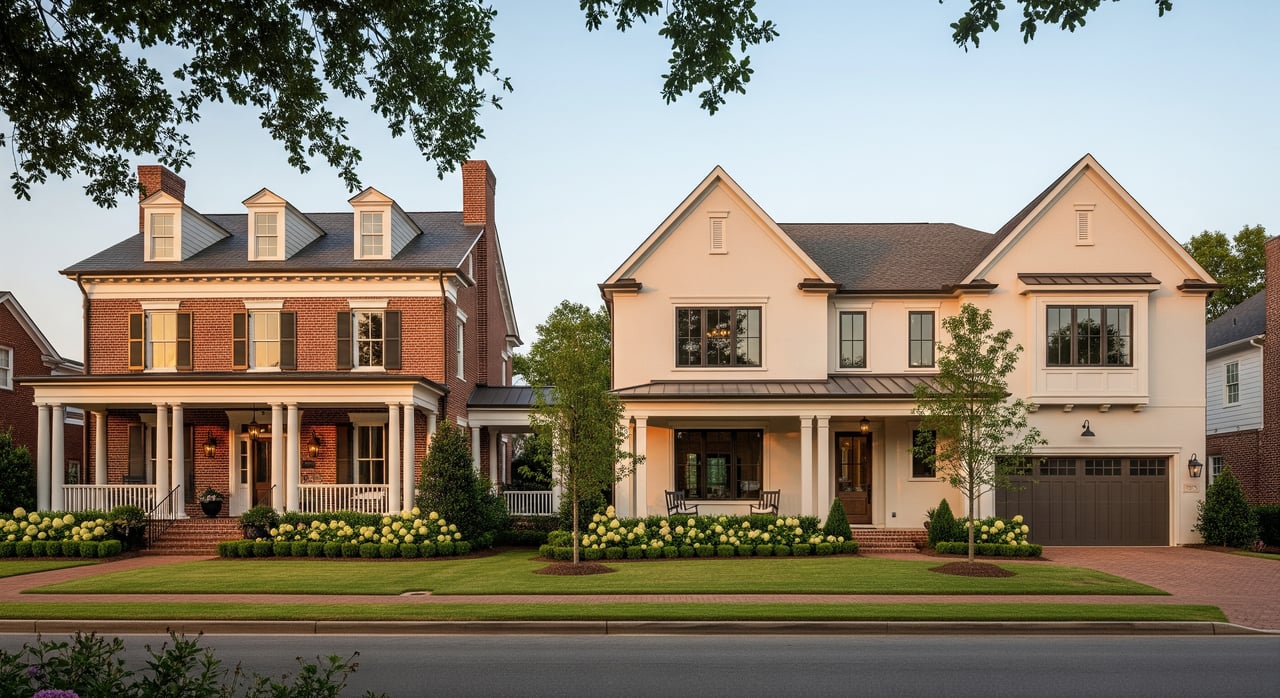
Trying to choose between a brand-new build or a move-in ready resale in Collierville? You are not alone. Many move-up buyers weigh timelines, budgets, schools, and quality before deciding. In this guide, you will get a clear, side-by-side look at how new construction and resale compare in Collierville, from warranties and inspections to HOAs, financing, and taxes. You will also get practical checklists and local resources so you can move forward with confidence. Let’s dive in.
Quick compare: new vs resale
Timeline
- New construction (build-to-order): Often 4–12+ months from contract to move-in, longer for fully custom builds.
- New construction (spec/inventory): Similar to resale once complete, usually 30–60 days, with time for punch-list and paperwork.
- Resale: Commonly 30–45 days from contract to close, faster with cash.
Customization
- New: Ranges from limited selections in a spec home to full design control in semi-custom or custom builds.
- Resale: Limited to what is already built, but you can renovate over time to personalize.
Inspections
- New: Independent inspections at key stages are still wise if allowed by contract, including pre-drywall and pre-closing.
- Resale: Standard home inspection, plus optional roof, HVAC, sewer, or radon checks.
Warranty coverage
- New: Builders often provide a structure similar to a 1-year workmanship, 2-year systems, and 10-year structural warranty. Always confirm in writing. See a typical framework from 2-10 Home Buyers Warranty.
- Resale: No builder warranty unless a transferable plan exists, so inspections and disclosures are crucial.
Negotiation dynamics
- New: You may see incentives or upgrade options, but terms are set by the builder contract.
- Resale: Negotiation often focuses on price, repairs, and closing costs.
HOA considerations
- New: Most newer subdivisions have HOAs with design standards and planned amenities. Dues and initiation fees vary.
- Resale: Older HOAs may have established budgets or, in some areas, no HOA at all.
Costs beyond price
- New: Lot premiums, upgrades, and site work can raise the final price. Post-completion reassessment may affect taxes.
- Resale: May need near-term repairs or updates like roof or HVAC.
Financing
- New: Inventory homes often use standard mortgages. Build-on-contract may require construction-to-permanent financing.
- Resale: Conventional, FHA, VA, and USDA loans are common.
Collierville context you should know
Collierville has its own planning, zoning, and permitting processes that affect subdivision approvals and building timelines. You can review local guidance through Town of Collierville planning and permitting.
Collierville Schools operate within town boundaries. School boundaries can affect buyer decisions and future resale value, so always verify current school assignments directly with the district at Collierville Schools. Use neutral, fact-based comparisons and confirm details in writing.
For taxes and assessments, Shelby County handles many county-level services and assessment schedules. New builds can be reassessed at completion, which may change your property tax bill. Learn more at Shelby County’s official site.
Timelines and contracts
Typical timelines
- Resale: Offer to closing often takes 30–45 days. Cash can shorten the process.
- New construction, spec/inventory: If completed or nearly complete, closing can be similar to resale, usually 30–60 days, plus time for punch-list and the certificate of occupancy.
- New construction, build-to-order: Plan for 4–12+ months depending on lot prep, permits, builder backlog, and weather. Fully custom can extend to 12–24 months.
Common new-build delays
- Permits and inspections from the town.
- Weather, subcontractor availability, and supply chain lead times.
- Utility connections at later stages.
Contract differences
- Resale contracts usually include inspection and appraisal contingencies.
- Builder contracts can limit contingencies, set non-standard earnest money terms, and outline different cancellation rules. Read every clause and timeline carefully. If you have questions, consider consulting a local real estate attorney in addition to your agent.
Warranties, inspections, and protections
What builder warranties often include
Many builders use a common structure: a 1-year workmanship and materials warranty, a 2-year systems warranty, and a 10-year structural warranty. Exact coverage varies by builder and contract. Review the written warranty for start date, coverage, exclusions, and claim procedures. For an overview of common structures, see 2-10 Home Buyers Warranty.
Inspections you should not skip
- New construction: Schedule independent inspections if your contract allows, including pre-drywall and a pre-closing review. This helps confirm systems are installed and functioning correctly.
- Resale: Order a general home inspection, and add specialty checks as needed.
Builder licensing and consumer protections
Confirm that your builder and key subcontractors are licensed and insured in Tennessee. You can verify licensing and view complaint processes through the Tennessee Board for Licensing Contractors. Keep copies of permits, inspection reports, and all builder communications.
Customization and design trade-offs
New construction options
- Spec or quick-move-in homes: Faster occupancy, limited changes, but you may still choose minor selections if the home is not complete.
- Build-to-order or semi-custom: More control over floor plan, finishes, and orientation. Expect a longer timeline and potentially higher soft costs.
- Custom homes: Maximum personalization with the longest timeline and most complexity.
Resale advantages
- Speed: Move in soon after closing.
- Character: Established neighborhood feel and mature landscaping.
- Value: You can update in phases to personalize while managing costs over time.
Cost realities
- New: Base prices can rise with lot premiums, upgrades, and site work. Clarify what is included before you sign.
- Resale: Factor in near-term maintenance or renovation costs that inspections identify.
HOAs and long-term costs
Many new Collierville subdivisions include HOAs that manage amenities and set design standards. Dues, initiation fees, and rules vary. Older neighborhoods may have established HOAs with a longer track record, or no HOA at all.
Before closing, request and review the covenants, bylaws, budgets, reserve studies, and recent meeting minutes. If a community is adding amenities in phases, ask about timelines, future dues, or assessments. For governance best practices and homeowner education, explore the Community Associations Institute.
Financing, appraisals, taxes, and insurance
Financing paths
- Resale: Conventional, FHA, VA, and USDA loans are commonly used.
- New construction:
- Spec or inventory homes often use the same mortgage products as resale.
- Build-on-contract may require construction loans with interest-only draws or a construction-to-permanent loan.
- FHA and VA options can work for new builds, but property and appraisal requirements apply.
Appraisals and valuation
- New builds: Appraisals can be challenging in new areas with limited comparable sales. Builders may price based on cost and lot premiums.
- Resale: Appraisals rely on nearby comparable sales and can affect your negotiation room.
Taxes and insurance
- Property taxes: New construction is often reassessed after completion, which can increase the tax bill from the pre-build lot rate. Check timing and methodology with Shelby County.
- Insurance: Premiums depend on materials, coverage, and location. New homes may have fewer immediate maintenance risks, but every policy is unique.
Top questions to ask before you sign
For builders (new construction)
- Is the builder licensed and insured in Tennessee? Request license numbers and insurance certificates. Verify through the Tennessee Board for Licensing Contractors.
- What are the exact warranty terms and start date? Ask for the full written warranty.
- What is included in the base price, and what counts as an upgrade? Request a detailed options list and change-order policy.
- What is the estimated timeline and key milestones, including permits, framing, rough-ins, inspections, and closing?
- Who pays for lot premiums, utility taps, landscaping, and driveways?
- Can you schedule independent inspections at pre-drywall and pre-closing? If there are limits, get them in writing.
- Are there preferred-lender incentives or rate buydowns?
- What are the HOA rules, dues, and plans for future amenities or phases?
For sellers of resale homes
- How old are the roof, HVAC, water heater, and major systems? Request service records.
- Were renovations done with permits? Verify through the Town of Collierville and seller disclosures.
- What are the average utility costs, current property taxes, and any HOA dues?
- Are there any known drainage or boundary issues? Ask about prior insurance claims.
Inspection checklist items (both new and resale)
- Structure and foundation, roofing, and attic ventilation.
- HVAC performance, plumbing fixtures and supply lines, and electrical panels.
- Windows, doors, insulation, and moisture management.
- Site grading, drainage, driveways, and sidewalks.
- Specialty checks as relevant, such as radon or sewer scopes.
Red flags to pause on
- A builder cannot provide license details, insurance, or local references.
- Contracts that limit your right to independent inspections.
- Incomplete HOA documents, unclear amenity timelines, or no budget and reserve information.
- Vague warranty terms or no written warranty.
Which path fits you?
- Choose new construction if you want modern systems, energy-efficient features, and the ability to personalize layout and finishes. You are comfortable with a longer timeline and following a builder’s process. You want warranty coverage and are ready to review detailed contracts.
- Choose resale if you need to move sooner, prefer established neighborhoods and landscaping, or want room to renovate over time. You value traditional negotiation and inspection contingencies and prefer fewer unknowns in the build timeline.
Your next step
Whether you lean new or resale, the smartest move is to align your timeline, budget, and non-negotiables, then compare real homes that match. A local advisor can help you evaluate builder contracts, warranty terms, HOA documents, and inspection strategies so you avoid surprises and buy with confidence. When you are ready, connect with Kevin & Alli Clark - The Clark Team for local guidance tailored to how you want to live in Collierville.
FAQs
Are new Collierville homes covered by warranties?
- Most builders offer a written warranty with common structures like 1-year workmanship, 2-year systems, and 10-year structural coverage, so confirm exact terms in your contract and warranty documents and keep copies for claims.
Can you negotiate upgrades with a Collierville builder?
- Often yes, especially early in construction, but options and pricing follow the builder’s policy, and some incentives may require using a preferred lender.
Will a lender finance a home still under construction in Shelby County?
- Many buyers use construction-to-permanent loans for build-on-contract homes, while completed inventory homes are typically financed like resale properties.
Do new builds in Collierville mean higher property taxes?
- Your assessed value often increases after the home is completed, which can raise taxes compared with the vacant lot rate, so check Shelby County assessment timelines.
Do you still need inspections on a new construction home?
- Yes, independent inspections at pre-drywall and pre-closing help verify quality and catch issues early, subject to rights allowed in your builder contract.