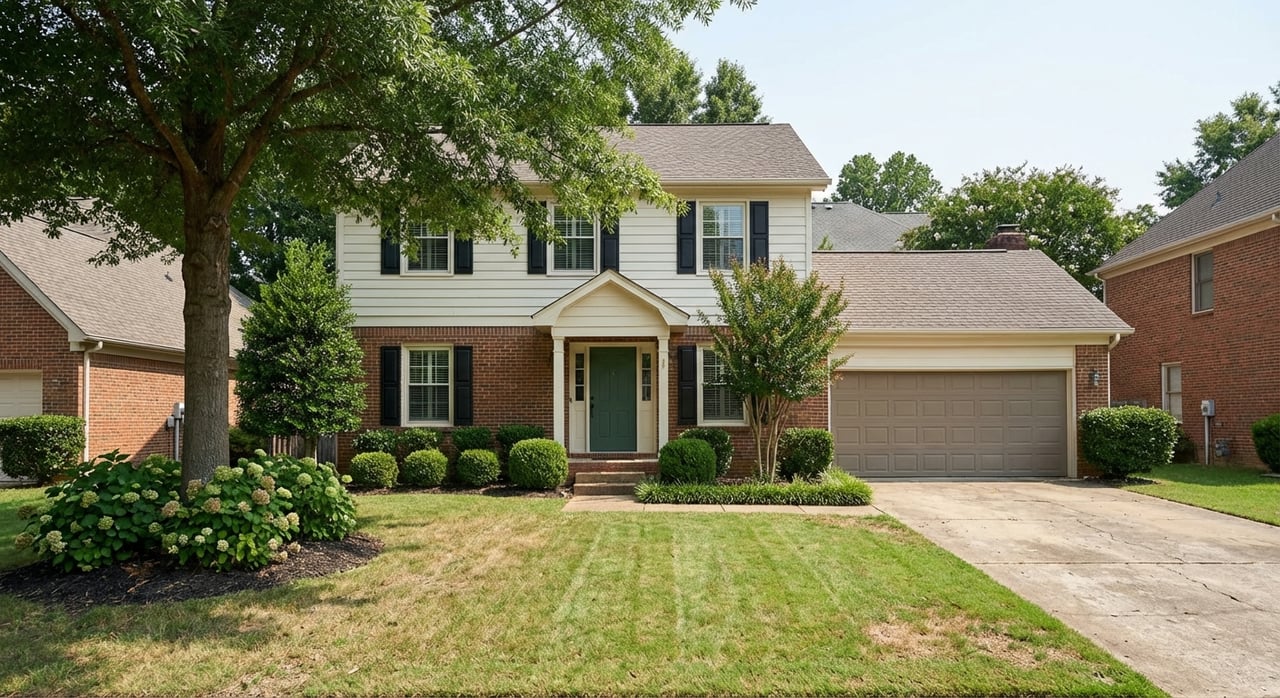
Shopping for a home in Cordova can feel like walking through three different eras at once. You’ll see cozy ranches on tree‑lined streets, classic two‑story traditionals, and larger custom homes on half‑acre and full‑acre lots. If you’re trying to decide which style and lot size fit your life and budget, a little local context goes a long way. In this guide, you’ll learn how Cordova’s neighborhoods were built, what lot sizes you’ll actually find, how features tie to price, and what maintenance to plan for. Let’s dive in.
Cordova at a glance
Cordova sits in eastern Shelby County and spans both Memphis city limits and nearby unincorporated pockets. That history of annexation and periodic de‑annexation shapes municipal services and tax expectations by parcel. For background, see the community overview of Cordova and local reporting on Memphis de‑annexation discussions.
Most shopping and dining cluster along Germantown Parkway, Macon Road, and the Wolfchase Galleria area. Outdoor lovers value proximity to Shelby Farms Park and the Greenline, a paved trail that links Cordova to other parts of Memphis. Learn more about the Shelby Farms Park Greenline and the park’s programming and updates.
School zoning is a frequent driver of search patterns in Cordova. The area is primarily served by Memphis‑Shelby County Schools with several local feeder patterns. You can review neutral, fact‑based zoning context on the Memphis School Guide’s Cordova feeder page. Always verify zoning for a specific address.
Core home style eras
Cordova’s housing stock follows clear development waves. Understanding these eras helps you focus your search and set realistic expectations for floorplans, lots, and maintenance.
Old Cordova and the historic core
Near Macon and Sanga in “Old Cordova,” you’ll find scattered early 20th‑century structures and small parcels. These homes are the exception within today’s market, but they offer unique character if you want something outside typical subdivision living.
1970s–1990s suburban neighborhoods
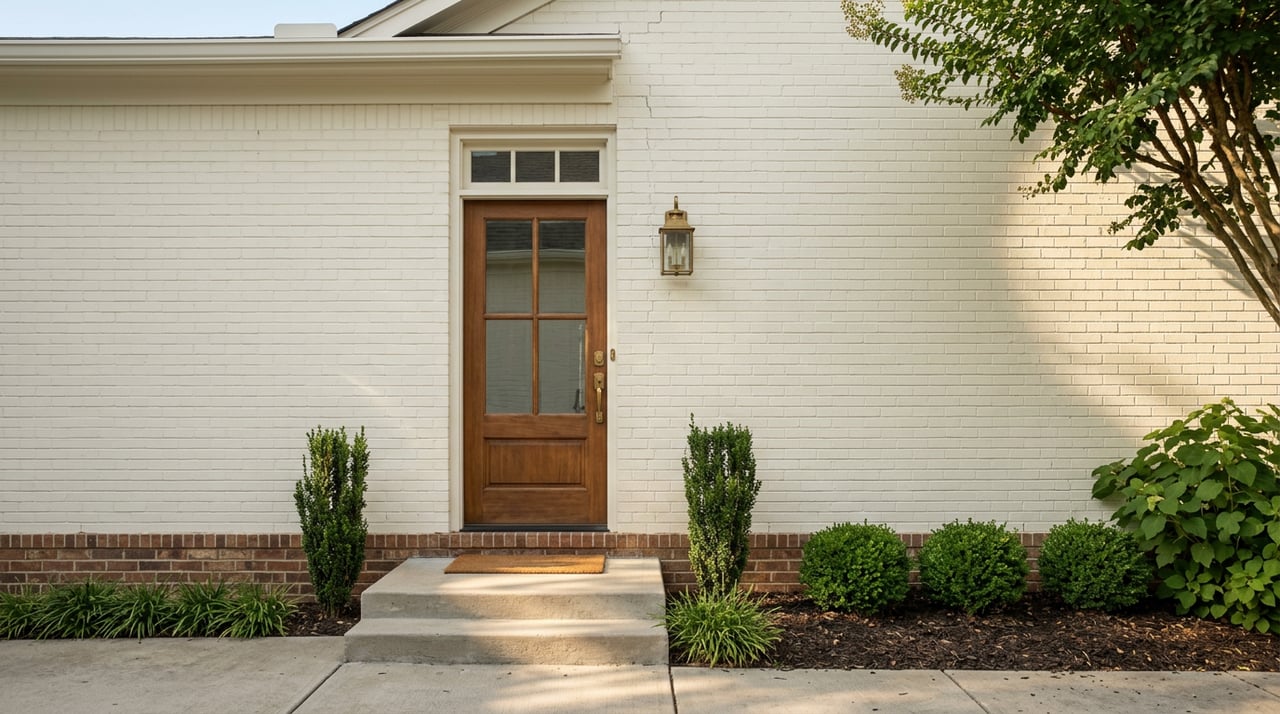
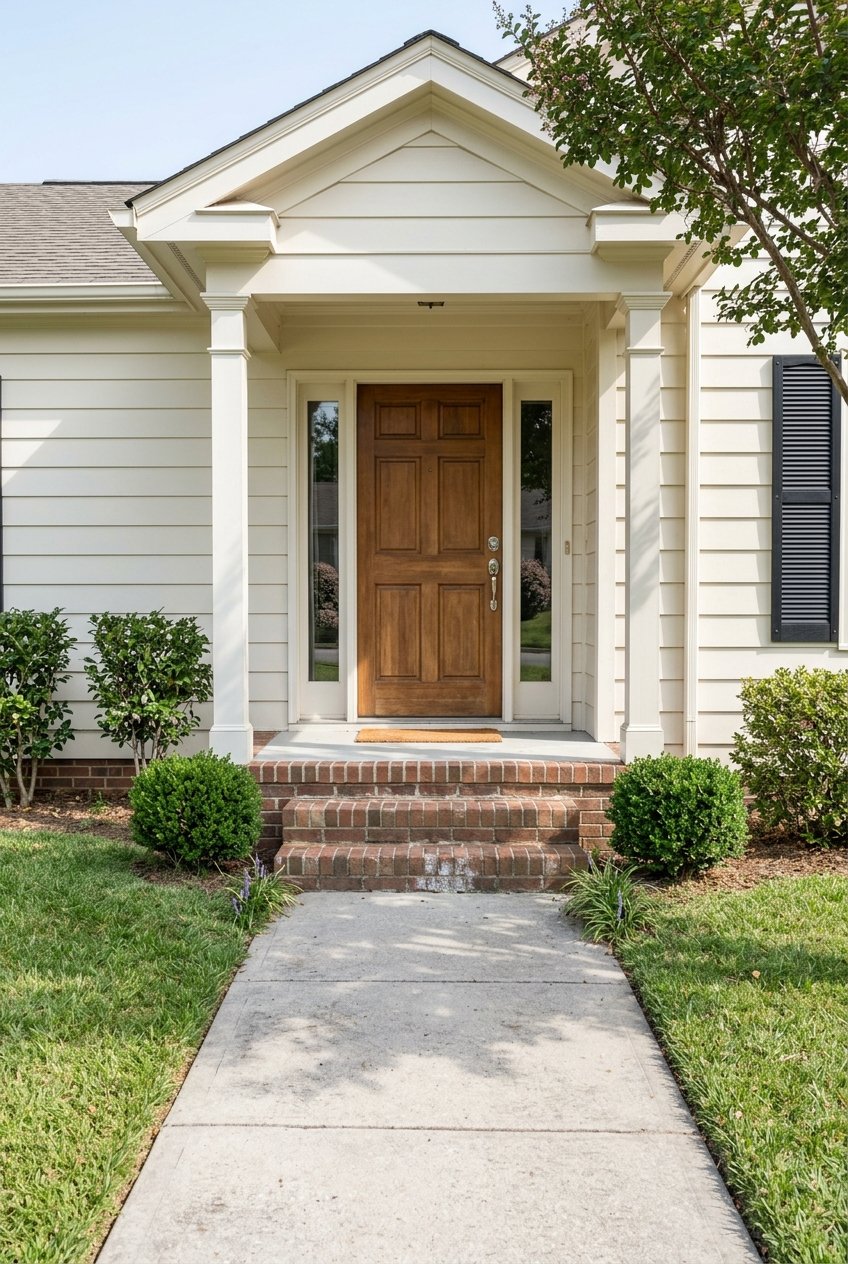
The largest share of Cordova sits in established subdivisions from the 1970s through the 1990s, including areas like Countrywood, Morning Woods, and Walnut Ridge. Expect single‑story ranches and two‑story traditionals, often with brick veneer, mature trees, and neighborhood layouts with curving streets and cul‑de‑sacs.
- Many communities have active associations that maintain common spaces and communicate neighborhood updates. The Morning Woods Neighborhood Association is one example.
- Interior lakes, greenbelts, and amenity nodes are common in this era. For a visual example of subdivision planning around lakes and commons, see the Carrollwood Lakes map.
Late 1990s–2000s and newer move‑up pockets
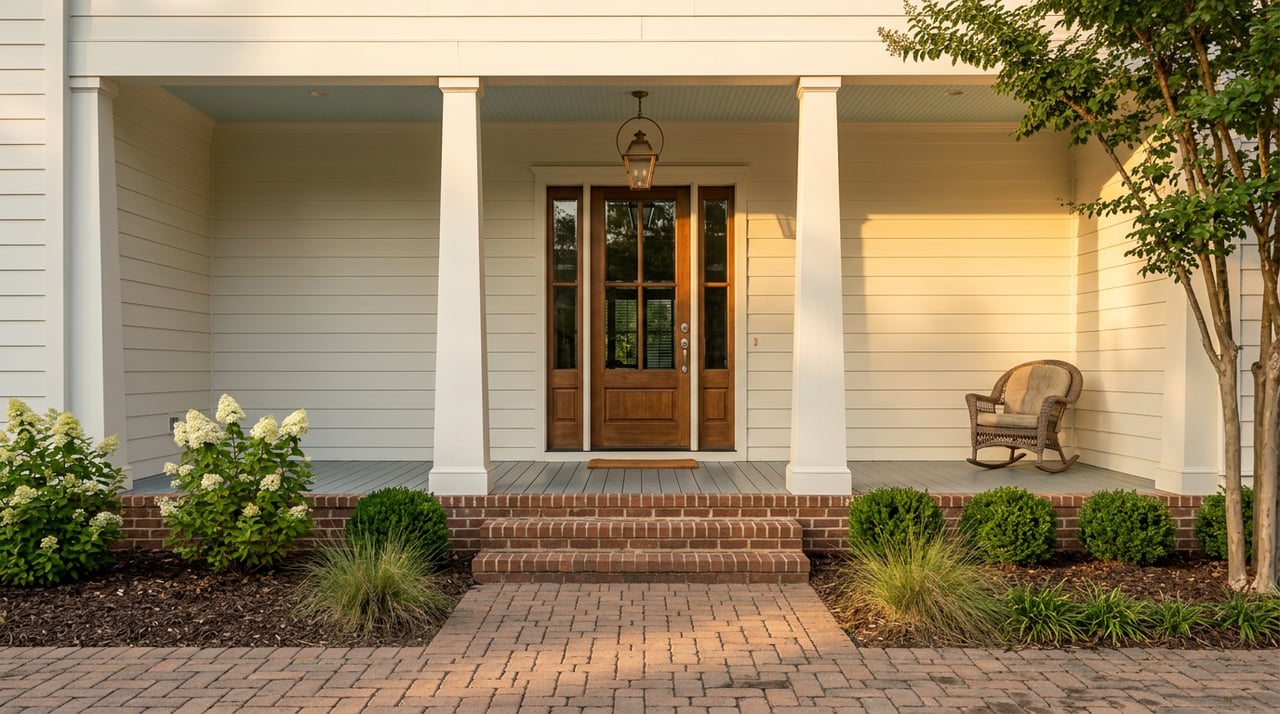
East‑Cordova neighborhoods and the Rocky Point corridor include larger semi‑custom and custom homes, often with generous yards and modern two‑story floorplans. Estate‑style pockets in and around Randle Woods tend to offer 0.5 to 1+ acre lots, higher square footage, and upgraded finishes.
Wolfchase and retail‑adjacent housing
Closer to Wolfchase Galleria, you’ll find a mix of apartments and tract‑built single‑family homes developed in the late 1980s through the 2000s. Convenience to shopping and major roads is the draw here. Lot sizes and floorplans reflect traditional suburban patterns.
Lot sizes you will actually see
If lot size is high on your checklist, Cordova gives you real range. Here is what you will commonly encounter during showings and on MLS sheets:
- Typical suburban tracts: about 0.20 to 0.35 acre. Many 1980s–1990s neighborhoods fit this profile and offer easier yard maintenance.
- Larger suburban and estate lots: roughly 0.50 to 0.90 acre. Countrywood and parts of Rocky Point and Randle Valley commonly land here, with deeper backyards and more privacy.
- Full acre and beyond: 1.0+ acres appear in select estate pockets and on the community’s fringes. These homes often include higher square footage and custom features.
Street layouts usually feature curvilinear patterns, cul‑de‑sacs, and interior green buffers. In fringe areas outside direct municipal service zones, you may find semi‑rural parcels, occasional septic systems, and one‑off custom builds. Utility and service conditions can vary by parcel, so plan to verify sewer, water, and trash service during due diligence.
Floorplans and features to expect
Floorplans mirror the era of construction:
- 1970s–1980s ranch and split‑level plans often include formal living and dining rooms, plus a family room near the kitchen. Renovated homes from this era may open these spaces for better flow.
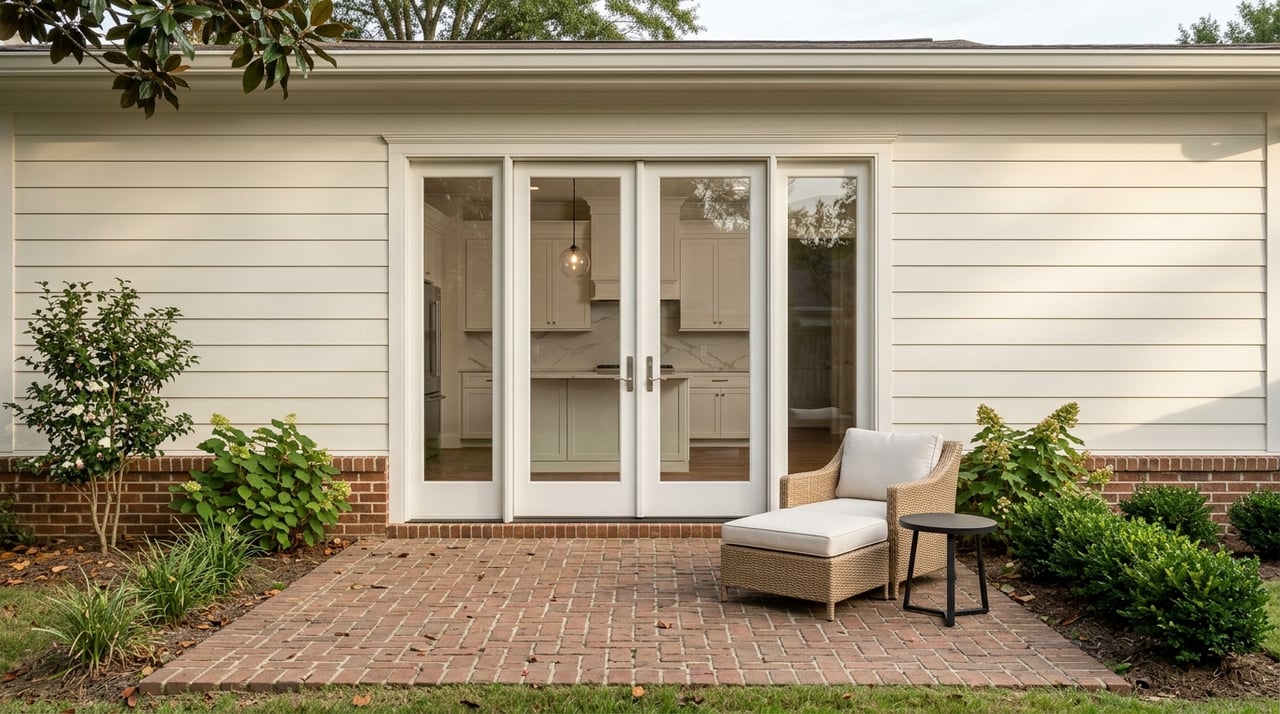
- Newer and updated homes tend to favor open‑plan kitchens with large islands, adjacent family rooms, and flexible spaces like offices, dens, or upstairs bonus rooms.
- A main‑level primary bedroom is common in many newer builds and popular with today’s buyers.
Foundations are typically slab or crawl space in the Memphis area. Finished basements are uncommon and should not be expected unless clearly noted in a listing. For a local perspective on slab and crawl‑space prevalence, see this Shelby County foundation resource.
Maintenance insights by home type
Every style carries predictable upkeep. Budgeting early helps you avoid surprises.
- 1970s–1990s homes: Plan for lifecycle items like asphalt‑shingle roofs, HVAC replacement or servicing, and periodic exterior maintenance. Mature trees add shade and character, but also bring yard work and potential root management.
- Estate and custom homes: Larger yards mean higher landscaping and irrigation costs. If a parcel uses septic, factor in periodic pumping and inspections. Pools, if present, add seasonal maintenance.
- All homes: Simple drainage upgrades like downspout extensions and proper grading can reduce foundation stress over time. Many local homeowners address minor slab movement with targeted repairs as needed.
How lot size and features affect price
Within Cordova’s market, price generally tracks three levers:
Lot size and privacy. Larger yards and estate lots command a premium within the same neighborhood. A shift from a quarter‑acre lot to a three‑quarter‑acre lot can move pricing materially, even before interior finishes are considered.
Square footage and finish level. More space and higher‑end finishes raise value. Semi‑custom or custom builds with upgraded kitchens and baths, hardwoods, and outdoor living areas will sit above the neighborhood average.
Neighborhood and zoning context. Established move‑up pockets like Randle Woods and parts of Rocky Point typically trade above the Cordova average. Proximity to desired feeder patterns and commute routes can also influence demand.
Broadly, Cordova sits in the mid‑tier of the Memphis suburban spectrum. Typical home values often land in the high‑$200k to low‑$300k band based on late‑2024 to 2025 snapshots, while upper‑tier Cordova neighborhoods frequently post list prices above $400k, with select estate properties higher. Always date‑check figures at publication, and consider browsing a current market overview for Cordova for big‑picture trends.
If you’re comparing suburbs, Germantown and Collierville generally price higher on average than Cordova, while Bartlett trends closer to Cordova’s midrange. Your best comparison comes from side‑by‑side MLS data on the day you shop.
Picking your best fit: a quick guide
Use this simple framework to narrow your search quickly:
- If you want lower yard work and a traditional suburban feel: Target 1980s–1990s tracts on 0.20–0.35 acre lots near Germantown Parkway and Macon. You’ll get convenience, manageable maintenance, and familiar floorplans.
- If you want space to spread out without going fully rural: Look at Countrywood, Randle Valley, and parts of Rocky Point for 0.50–0.90 acre yards and larger two‑story plans.
- If privacy and custom features are top priorities: Focus on estate pockets with 1.0+ acres in east‑Cordova. You’ll trade higher purchase and upkeep for generous square footage and outdoor living potential.
- If you want older charm and a unique setting: Explore the Old Cordova core near Macon and Sanga. Inventory is limited, so timing matters.
Smart due diligence in Cordova
Before you write an offer, use this checklist to confirm what matters most to you:
- Verify service jurisdiction. Confirm whether the address is inside Memphis city limits or unincorporated Shelby County, and note any tax or utility differences.
- Confirm school zoning by address. Use official district lookup tools or contact the district office, since attendance zones can change.
- Check lot size and setbacks. Review the plat or survey if available, and walk the yard to locate easements, drainage swales, or utility boxes.
- Inspect the foundation and drainage. Ask your inspector to evaluate grading, downspouts, and any signs of slab or crawl‑space movement.
- Review HOA documents. If applicable, understand rules, fees, and common‑area maintenance.
- Estimate lifecycle costs. Ask for roof age, HVAC age, and any recent big‑ticket updates.
Ready to tour homes that fit your style and lot wish list?
When you are weighing ranch versus two‑story, tract lot versus estate acreage, local context is everything. You deserve a clear plan, current comps, and a search that matches your day‑to‑day life. For a tailored list of Cordova homes that meet your style, lot size, and budget goals, connect with Kevin & Alli Clark - The Clark Team. Our neighborhood‑first approach, MLS search tools, and responsive team make it easy to move from browsing to confident offer.
FAQs
Are large yards common in Cordova?
- Yes. Many established subdivisions, especially in Countrywood and parts of Rocky Point and Randle Valley, offer 0.50–0.90 acre lots, with select pockets at 1.0+ acres. Tract neighborhoods also provide 0.20–0.35 acre options if you prefer lower yard upkeep.
Do Cordova homes usually have basements?
- No. Slab and crawl‑space foundations are the norm in the Memphis area. Finished basements are uncommon and should only be expected when a listing states one clearly.
How do lot size and features affect price in Cordova?
- Larger lots, newer or custom construction, and higher‑end finishes typically command higher prices. Smaller lots and older tract homes provide the most approachable entry points within Cordova.
Does city versus unincorporated status change services or taxes?
- It can. Cordova spans addresses inside Memphis city limits and in unincorporated Shelby County. Service providers and tax structures can differ by parcel, so confirm details for the exact address you are considering.
Which Cordova neighborhoods have HOAs or common amenities?
- Many 1970s–2000s subdivisions include active associations and shared spaces such as lakes or greens. Examples include Morning Woods and Carrollwood Lakes. Always request HOA documents during due diligence to review rules and fees.